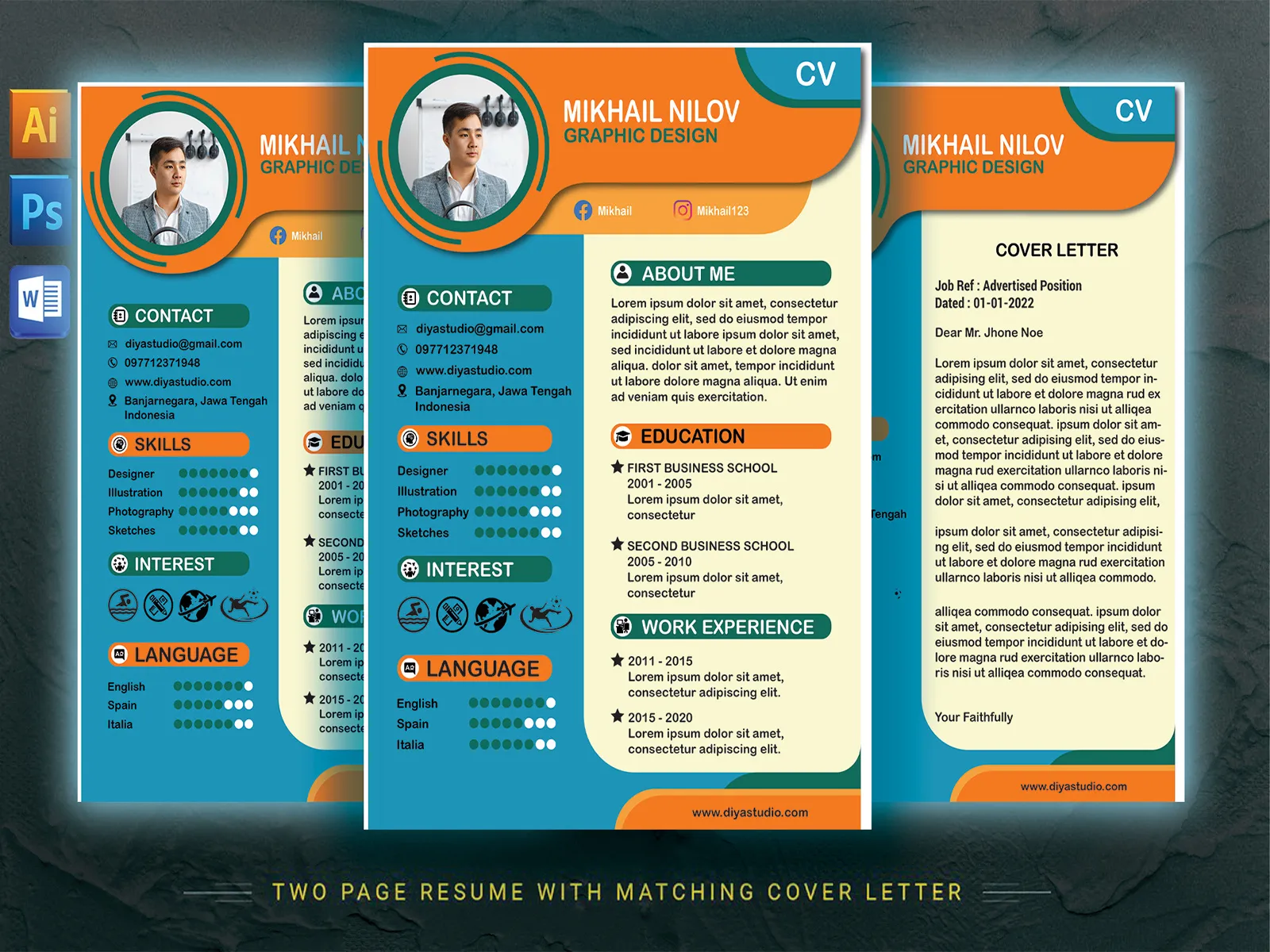
What is a Resume Cover Letter Writer
A resume cover letter writer is a tool or service designed to help individuals create effective and compelling cover letters. These writers can range from simple templates and fill-in-the-blank formats to sophisticated software and professional writing services. The primary goal of a resume cover letter writer is to assist job seekers in crafting cover letters that highlight their skills, experience, and qualifications in a way that captures the attention of potential employers. By using a resume cover letter writer, individuals can save time, improve the quality of their cover letters, and increase their chances of landing an interview.
Benefits of Using a Resume Cover Letter Writer
There are numerous benefits to utilizing a resume cover letter writer. First and foremost, it saves time and effort. Writing a cover letter from scratch can be time-consuming, especially if you are applying for multiple jobs. A writer provides a starting point, templates, or pre-written content that you can adapt, significantly reducing the time spent on each application. Moreover, these tools often incorporate best practices in cover letter writing, ensuring your letter is well-structured, grammatically correct, and tailored to the specific job requirements. They can also provide valuable suggestions on keywords, phrasing, and formatting to optimize your letter for applicant tracking systems (ATS) and human readers alike. Additionally, professional services can offer a fresh perspective, helping you identify your strengths and present them effectively to potential employers.
Step-by-Step Guide How to Use a Resume Cover Letter Writer

Using a resume cover letter writer effectively involves a few key steps. First, you’ll need to choose the right writer for your needs. Then, you’ll provide the necessary information about your background, experience, and the specific job you’re applying for. Next, you’ll customize the cover letter, tailoring it to the target company and the specific requirements of the position. Finally, you should always review and edit your cover letter carefully before submitting it. This includes checking for grammatical errors, ensuring the content is accurate, and verifying that it aligns with the tone and style of the company. Following these steps will help you create a compelling cover letter that effectively showcases your qualifications.
Choose the Right Resume Cover Letter Writer
Selecting the right resume cover letter writer is crucial for creating an effective cover letter. Consider your needs and budget. Free tools often offer basic templates and limited customization options. Paid software or services provide more advanced features, such as personalized content, industry-specific templates, and expert feedback. Research the writer’s reputation by reading reviews and testimonials. Look for writers that offer customization options so you can tailor the letter to each job application. The best writers also provide examples of successful cover letters and guidance on how to highlight your unique skills and experiences. Choosing the right writer will help ensure you create a cover letter that stands out.
Provide the Necessary Information
To get the most out of a resume cover letter writer, you must provide accurate and complete information. Start by gathering your resume and the job description for the position you are applying for. The writer will need to know about your professional experience, skills, and accomplishments. Be sure to include specific examples that demonstrate your abilities and how you meet the requirements of the job. Also, provide details about the company, its values, and why you are interested in the position. The more information you provide, the better the writer can tailor your cover letter to the specific job and company, increasing your chances of getting an interview.
Customize Your Cover Letter

Customization is key to making your cover letter stand out. Don’t simply copy and paste the template provided by the writer. Instead, adapt the content to reflect your unique qualifications and the requirements of the job. Research the company and the specific role, then tailor the letter to demonstrate your understanding of their needs. Highlight the skills and experiences most relevant to the position, and provide specific examples of your accomplishments. Use keywords from the job description to ensure your cover letter is optimized for applicant tracking systems (ATS). By personalizing your cover letter, you show employers that you’ve taken the time to understand their needs and are genuinely interested in the position.
Review and Edit Your Cover Letter
Before submitting your cover letter, it’s essential to review and edit it thoroughly. Check for any grammatical errors, spelling mistakes, and typos. Ensure the content flows logically and that the tone is professional and engaging. Make sure the formatting is consistent and easy to read. Verify that all contact information is accurate and up-to-date. Consider having a friend or career advisor review your cover letter as well, as a fresh pair of eyes can often catch mistakes you may have missed. A polished, well-written cover letter demonstrates your attention to detail and professionalism, which can significantly increase your chances of getting an interview.
Tips for Writing a Great Cover Letter
To write a great cover letter, focus on highlighting your most relevant skills and experiences. Start with a compelling opening that grabs the reader’s attention and clearly states your interest in the position. Tailor the content to match the job description, emphasizing how your qualifications align with the employer’s needs. Use action verbs to describe your accomplishments and quantify your results whenever possible. Maintain a professional and enthusiastic tone throughout the letter. Proofread carefully and ensure your cover letter is free of errors. A well-written cover letter can make a significant difference in getting you noticed by employers.
Keywords and Phrases to Include

Incorporating relevant keywords and phrases is essential for optimizing your cover letter. Review the job description and identify the key skills, qualifications, and requirements listed. Use these keywords naturally throughout your cover letter, particularly in the opening, body paragraphs, and closing. This helps applicant tracking systems (ATS) recognize your application as a match for the position and increases the likelihood that a human recruiter will see your letter. Be careful not to stuff keywords; instead, weave them into your sentences in a way that sounds professional and authentic. Keywords should reflect your skills, experiences, and achievements, and demonstrate your understanding of the role and the company’s needs.
Formatting Your Cover Letter
Proper formatting is crucial for making your cover letter easy to read and visually appealing. Use a professional font, such as Arial or Times New Roman, and maintain a consistent font size throughout the document. Use single spacing and a standard margin size, usually one inch on all sides. Break up the text into clear paragraphs, and use headings and bullet points to highlight key information. Keep your cover letter concise, aiming for one page maximum. Ensure that your contact information, including your name, phone number, email address, and LinkedIn profile URL, is prominently displayed at the top. By following these formatting guidelines, you can create a cover letter that is both informative and visually appealing.
Proofreading Your Cover Letter
Proofreading is the final step in ensuring your cover letter is polished and professional. Carefully review your cover letter for any grammatical errors, spelling mistakes, and typos. Read the letter aloud to catch any awkward phrasing or sentence structures. Check that all information is accurate and up-to-date, including the company name, job title, and contact details. If possible, ask a friend, family member, or career advisor to proofread your cover letter for you. A second pair of eyes can often identify mistakes you might have missed. A well-proofread cover letter demonstrates your attention to detail and your commitment to presenting yourself in the best possible light.
Finalizing Your Cover Letter

Once you’ve written, customized, and edited your cover letter, the final step is to finalize it. Save the cover letter in a professional format, such as PDF, to ensure that the formatting remains consistent across different devices and operating systems. Double-check all details, including the recipient’s name, the company address, and the job title. Customize your cover letter for each job application, tailoring it to the specific requirements of the position and the company’s culture. Before submitting your cover letter, review it one last time to make sure everything is perfect. A well-crafted and finalized cover letter can significantly increase your chances of getting the job you want.